A receipt from a restaurant reveals that the customer ordered a number of alcoholic drinks. A few hours later the same customer has been involved in a serious accident. The receipt can be relevant to an attorney looking into the possibility of liability for the victim of a Dramshop. It doesn’t necessarily establish whether the establishment served a clearly drunk person or if employees did not follow the correct procedures. There’s a chance that the evidence will be more convincing when you consider the events that occurred between orders for drinks.
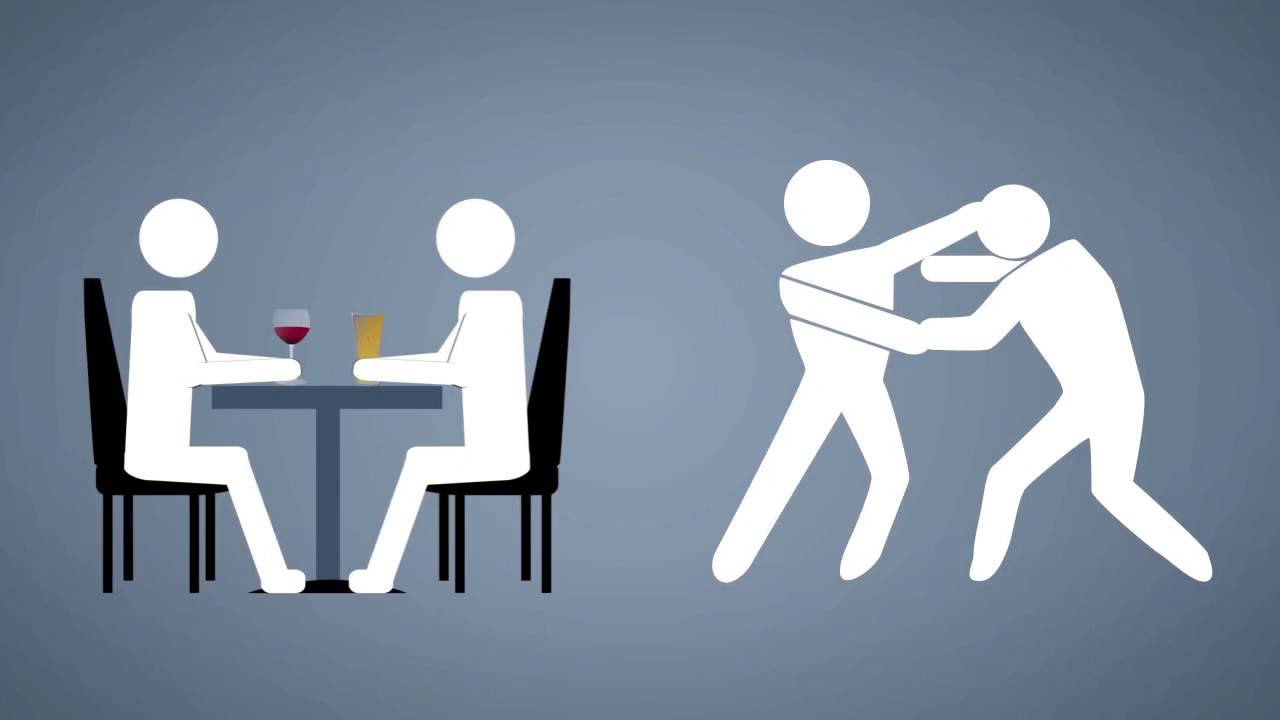
To understand this sequence, it is essential to consider the alcohol service as a hospitality procedure and not simply count beverages after an event.
Receipts are evidence of a sale and does not reflect the condition of the buyer.
Records at the point-of-sale can show the date and time of transactions, what beverages were bought, and the method of assigning charges to the tab.
However, a receipt typically will not show how a client was acting when the drink was served. It may not be able to reveal who consumed each drink in the event that drinks were shared, or how the bartender was observing.
Expert witnesses can assist attorneys in interpreting these documents with regard to video surveillance and employee statements. The goal is to reconstruct service sequences without believing that each purchase is the complete story.
What do employees see in the real world?
In a lot of disputes regarding alcohol services, the main question is whether the staff was able to establish that the customer was drinking. These could be evidence of impairment in coordination, abnormal speech, difficulty maintaining equilibrium, or any noticeable changes in behavior.
These indicators require to be contextualized. A single incident captured on surveillance footage may be explained in a way that is not related to alcohol consumption. Investigators must also take into consideration the quality of the recording angles, the position of the employees and the camera angles.
Preston Rideout brings experience as a bartender, bar manager, nightclub general manager, and director of bar operations to these evaluations. His operational background helps connect recorded evidence with the responsibilities and constraints of employees working in busy environments.
Written Training Doesn’t Always Describe Real Practice
In all alcohol-related investigation, questions are asked about the employee’s training. Did the establishment offer server-seller training? Was the establishment able to train its employees on how to spot intoxication? Have managers explained to employees the procedure to deny service?
While these questions are important for the Responsible Alcohol Service, examining only training certificates may not suffice to answer them.
A venue might maintain detailed guidelines but not always follow them. In the other case employees may be following the standards of service, even if it was tragic.
An examination of the operational elements includes training materials, employee testimonies as well as management oversight and the incidents that are documented. The difference between the existence of a policy and its actual implementation can be crucial for both defense and plaintiff counsel.
The Timeline often provides the key questions
Imagine a customer who is served drinks by a variety of bartenders on a busy evening. The bartender who was first on the scene may have seen a typical behavior. Following a shift change, a second employee may serve a second drink. The manager may have intervened afterward.
In the absence of a timeline to reconstruct that is the case, these decisions could seem to be one continuous act of service. Examining the transaction records, staffing schedules video surveillance footage, incident reports together can help clarify who knew what and when. It’s better to find the absence of footage or insufficient records than to rely on speculation.
Industry Practice and legal Liability are Different Questions
Hospitality experts are able to discuss the established operating guidelines of a venue and determine if its conduct is in accordance with these rules.
They are not a substitute for the courts’ responsibility to determine legal liability. There are laws that differ for each state on the legal liability of retailers selling alcohol.
Rideout Hospitality Consulting supports plaintiff and defense attorneys across the nation by providing case reviews, operational analysis, depositions, written opinion as well as trial testimony. The focus of its work is on alcohol-related decisions and staff training.
The most thorough analyses can help explain what the evidence doesn’t demonstrate.
The seriousness of an alcohol-related incident cannot determine all previous facts.
Lawyers should be able to determine the legal documents available and their limitations and also how employees were expected to act in specific circumstances.
A thorough hospitality analysis will differentiate documented and accepted behavior patterns and clarify which practices of the place differ from the norms. This distinction allows courts to evaluate the events that actually occurred instead of relying only on the information that was released in the aftermath.