For one customer, the appeal of the wig’s color is offset by a cap that causes discomfort after a few hours of wear. For another wearer, the advantage of the natural-looking hairline comes with a drawback: a twenty-minute lace adjustment each morning is more than they want. Someone else buys a beautiful unit, only to discover that the density feels heavier than expected.
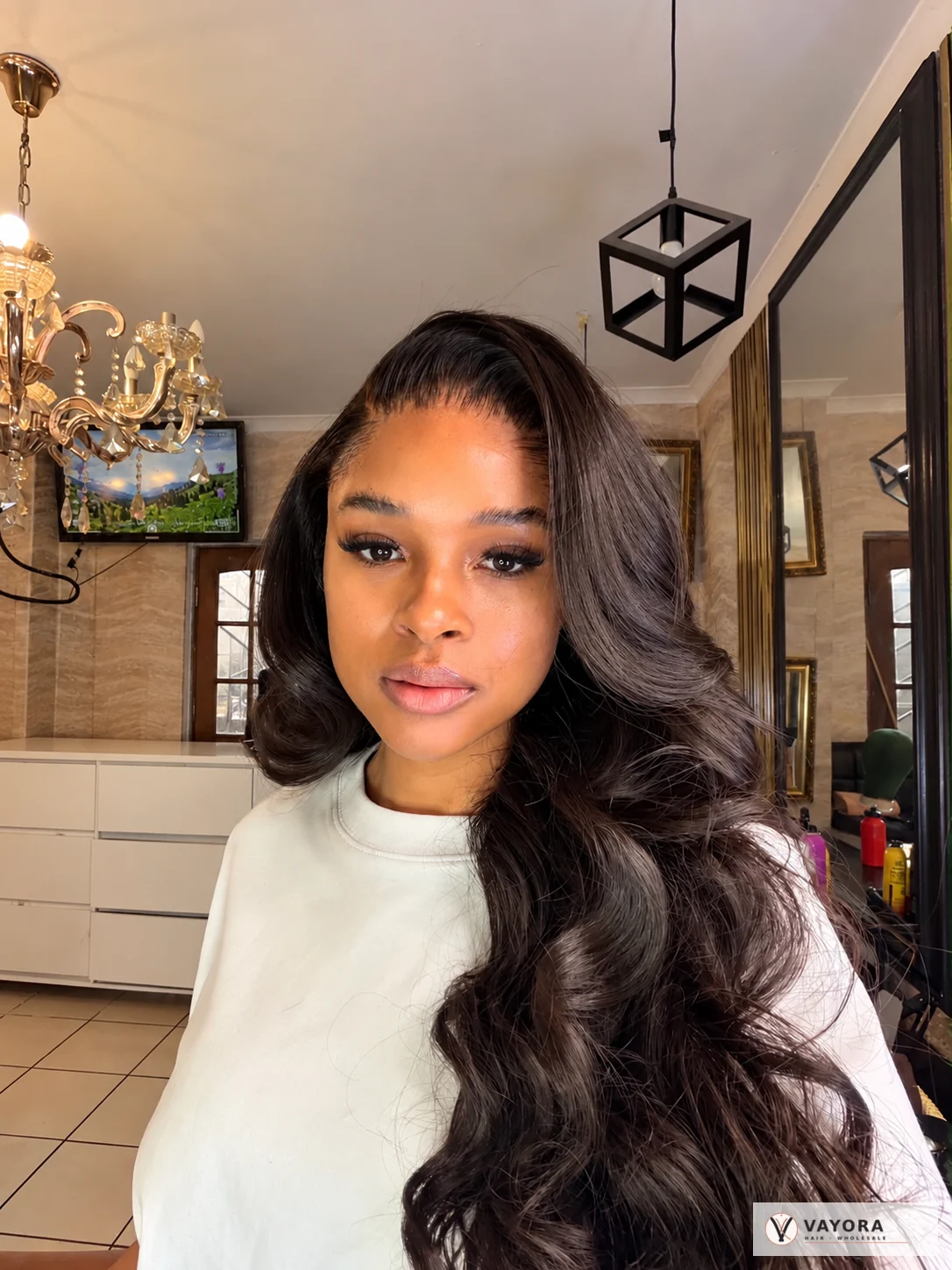
Image credit: vayorahair.com
A wig brand can view such observations as more than simple feedback. Such comments can guide the development process toward products that deliver a wearing experience people appreciate.
The latest trending hairstyle is not necessarily the basis of a successful wig collection. They’re built around understanding what customers want to experience when they put a wig on.
Explore the Issues Customers Encounter
Customers rarely describe their needs using manufacturing terminology. How comfortable the wig feels, ease of use, how it looks and how confident the wearer feels are what customers describe. A request for an easier morning routine might point toward a glueless construction. Feedback about a hairline that does not look natural can highlight possible issues with lace appearance, knot treatment, hair density, or the design of the part.
A human hair wig manufacturer China brands work with should be able to translate these everyday concerns into measurable product specifications.
The basic request for a 22-inch body-wave wig need not define the entire order. Buyers can also specify the intended wearing experience, cap fit, lace construction, hairline appearance, and finished weight. With that information, developers can understand the intended outcome more clearly.
Give Your Private Label Range Its Own Identity
Many emerging wig brands make the mistake of building their catalogs around whatever products are currently popular. The result may be a product lineup that looks very similar to those of competing stores.
Working with a private label wig manufacturer China retailers can collaborate with allows brands to develop a more consistent product identity. Possible directions include a lightweight everyday range, a premium collection with natural-looking hairlines, or ready-to-wear units for buyers who want minimal preparation. Every choice, from length, texture, and color to density, cap construction, and packaging, should support the same promise to customers. When a range has a distinct identity, customers have a reason to return that is not limited to temporary savings.
Glueless Design Depend on More Than Terminology
The simplicity of the term “glueless” does not capture the design details that determine the wearing experience. Everything from cap sizing and adjustment features to attachment components, lace preparation, and hairline design helps determine how securely and comfortably the unit fits.
A glueless wig manufacturer China buyers choose should help clarify these requirements before production begins. For example, a brand targeting first-time wig wearers may prioritize manageable density, pre-cut lace, and straightforward adjustment features. The customization requirements for a professional stylist’s collection may be different. One approach is not inherently superior than the other. Each serves a different customer.
Sampling Protects the Brand’s Reputation
A product photograph cannot tell you everything about a wig. Buyers need to examine how the cap fits, how the hair moves, whether the color matches expectations, and whether the finished construction reflects the approved design. The sample stage creates an opportunity to notice inconsistencies ahead of a higher-volume purchase.
Repeat production makes documented specifications and quality-control procedures particularly important for a wholesale human hair wigs supplier. A lack of clear production references can make it difficult to reproduce the results of a successful first batch with consistency.
Build a Collection That Can Grow
VAYORA works with B2B wig brands, retailers, and distributors to support product development, private label services, sampling, specification control, and repeat-production workflows. Physical details that affect how a wig looks, fits, and feels are connected to customer expectations through this approach.
Before expanding a catalog, brands should examine customer feedback, identify their strongest product opportunities, and establish clear approval standards. The next successful collection may not require more styles. The greater opportunity may lie in reducing trade-offs in existing desirable styles.