A pump station that is aging isn’t required to shut down before it causes problems. Although it could transport stormwater and wastewater daily, the pump station might struggle to meet peak demand. It might also require regular maintenance. It could still function however the original layout of the device may not be in line with current needs.
The importance of recognizing this difference is for municipalities, developers and facility operators when planning upgrades to infrastructure.
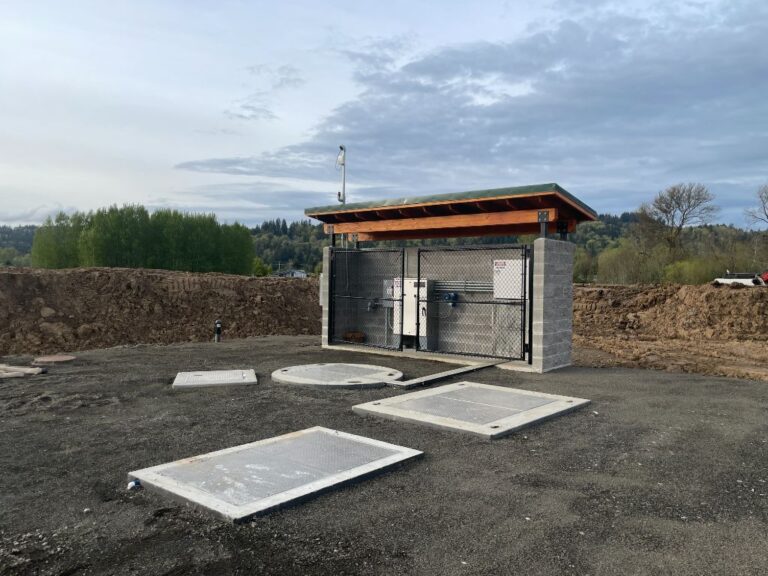
Image credit: romtecutilities.com
Take a look beyond the equipment that’s Not Working
A retrofit of a wastewater pump station should begin with an assessment of the whole system, not just the pump with difficulties. Engineers should evaluate the wetwell and mechanical components and electrical components as well as drain piping, controls, current pumping requirements, and control systems.
It is vital to keep an eye on the state of the wet well. If its structure is solid and in good condition, it could be possible to retain it in the process of replacing old equipment. The construction costs could be lower compared to building a brand new station. It is crucial to maintain the existing infrastructure even if enhancements can be made.
The service area has changed.
An old wastewater treatment plant may serve additional residential, industrial or commercial properties.
These changes can influence flows and operational demands. The rehabilitation of lift stations requires more than just restoring the original specifications for equipment. Engineers should evaluate the flow rates and expected flows, as well as the equipment’s capacity and performance.
It’s not enough to just purchase a bigger pump. The new equipment must be compatible with the existing piping, electrical supply and controls. If one component is upgraded it could cause problems with other components.
The criteria for stormwater retrofits for priority are different
Retrofitting a stormwater pumping station brings additional concerns because runoff can change dramatically in response to rainfall and the development around. A station serving a detention pond may experience different flow patterns than one that receives water through storm drains. Changes in drainage infrastructure like new pavement or larger parking spaces, could alter the frequency and quantity of water capable of reaching the station.
Before recommending a stormwater station upgrade, engineers should review the contributing drainage area, expected peak flows, storage capacity, discharge conditions, and existing pump performance.
These findings can help determine whether equipment modernization will be sufficient or if the station needs more substantial reconstruction.
Design the Construction Before Interrupting Service
The operation of the station during rehabilitation is often overlooked. It is not possible to shut down wastewater systems without making arrangements for flow control.
Construction can involve installing temporary bypass pumps, or the replacement of infrastructure near the station operating.
It is equally important to prepare for stormwater projects, as the system could be needed in the event of a sudden rainstorm. A comprehensive engineering plan should include installation sequencing the temporary operation, equipment integration, and commissioning. Not just replacement of the components.
Making the final system easier to use
Romtec Utilities provides site-specific engineering and supply solutions for stormwater and wastewater pumping needs.
The retrofit strategy determines which electrical, structural mechanical, and communication elements are required to be maintained and which need to be replaced. The company also offers preliminary designs and budgetary estimates to help owners analyze project options.
After installation, testing the startup the commissioning process, as well as training for operators are essential to ensure the new station is operating in accordance with its specifications. Operators must be able to manage and comprehend the system following a successful rehabilitation.
Upgrade the System, Not Only Its Age
A pump station that’s older may not need to be replaced completely. Even if their electrical or mechanical equipment is old-fashioned there are some structures that can remain useful for a long time. It is crucial to know what is safe and economically while making sure that the final product is in line with current and future requirements.
Owners are able to make better investment choices by reviewing the operating conditions including structural integrity, structural integrity and hydraulic requirements in conjunction.
The goal of upgrading an old system is not to simply make it work again. To make sure the station is ready for any future projects it is essential to modernize the station.